
Preparing Students for the Future
The world is changing faster than ever before. Artificial Intelligence, Robotics, Automation, and Smart Technologies are transforming industries, creating new career opportunities, and redefining the skills students need to succeed. While traditional subjects continue to play an important role in education, schools and colleges must now prepare students for a future where technology is integrated into almost every profession.
Robotics and AI education are no longer a luxury reserved for specialized institutions. It has become a necessity for schools and colleges that want to equip their students with future-ready skills. By introducing students to robotics, coding, electronics, artificial intelligence, and problem-solving at an early age, educational institutions can help them develop creativity, critical thinking, and innovation.
In this article, we explore why Robotics and AI education are essential in 2026 and how they can transform the learning experience for students.
1. Building Future-Ready Skills
Many of the jobs that today’s students will perform in the future do not yet exist. Employers increasingly seek individuals who can adapt to new technologies, solve complex problems, and think creatively.
Robotics and AI education help students develop:
- Problem-solving abilities
- Logical and computational thinking
- Creativity and innovation
- Teamwork and collaboration
- Analytical decision-making skills
These skills remain valuable regardless of the career path students choose.
2. Learning Through Hands-On Experience
Traditional classroom learning often focuses on theory. Robotics introduces a practical, project-based approach where students can immediately apply concepts they learn.
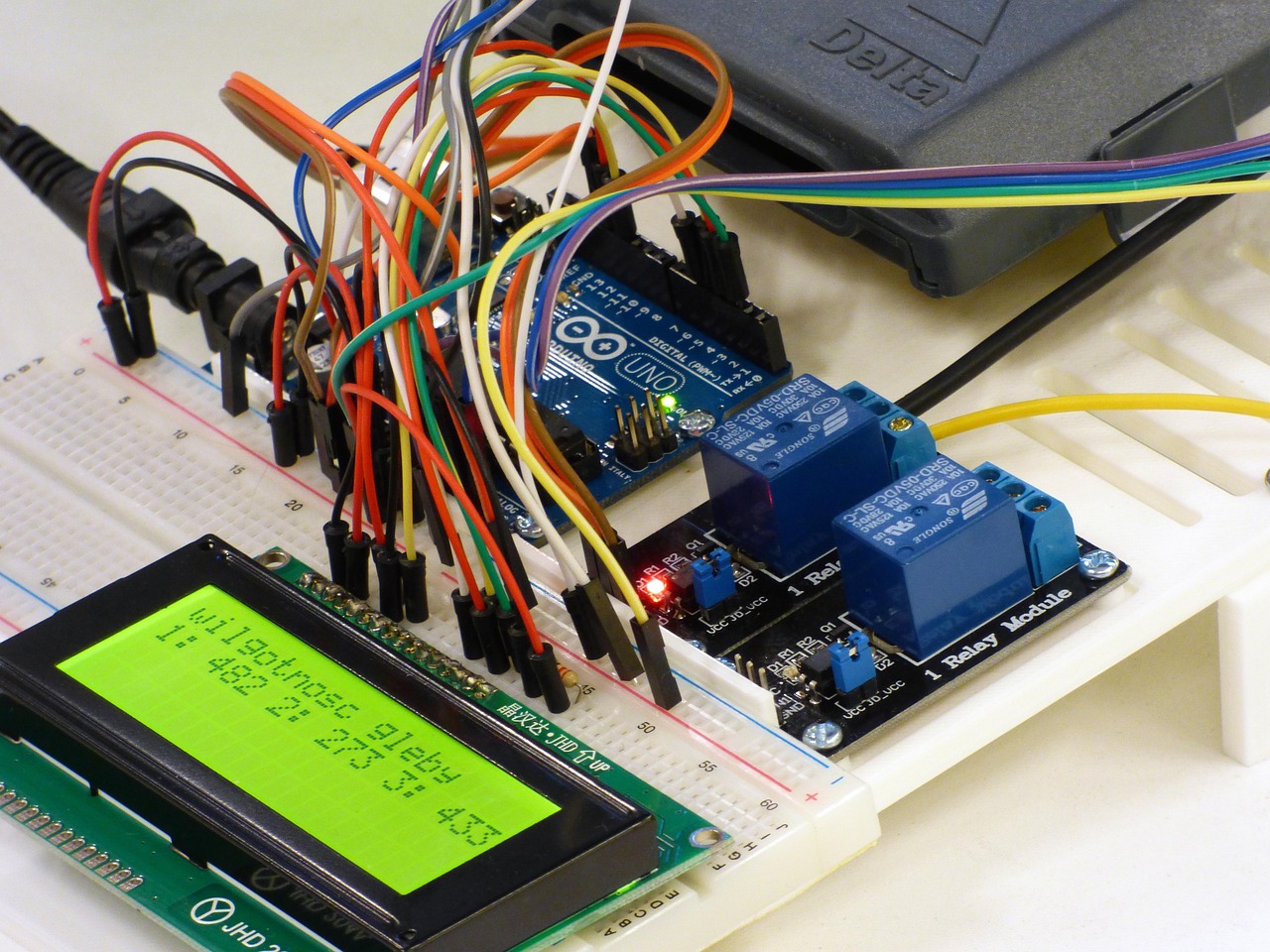
When students build robots, connect sensors, write code, and test their creations, they gain a deeper understanding of scientific and mathematical concepts. Hands-on learning improves retention, engagement, and confidence while making education more enjoyable.
3. Encouraging Innovation and Creativity
Robotics is not just about assembling components. It encourages students to imagine, design, create, and improve solutions for real-world challenges.
Students can work on projects such as:
- Smart home systems
- Automated irrigation systems
- Obstacle-avoiding robots
- Smart security systems
- AI-powered solutions
- Environmental monitoring devices
These projects inspire innovation and help students think like engineers and inventors.
4. Introducing Artificial Intelligence at an Early Age
Artificial Intelligence is becoming an integral part of everyday life. From voice assistants and recommendation systems to healthcare and autonomous vehicles, AI is shaping the future.
Introducing AI concepts at school enables students to understand how intelligent systems work and prepares them to participate in future technological advancements rather than simply consume them.
5. Aligning with National Education Goals
Modern education policies emphasize experiential learning, skill development, and innovation. Robotics and AI programs support these goals by combining Science, Technology, Engineering, and Mathematics (STEM) into a unified learning experience.
Schools that integrate robotics and AI into their curriculum position themselves as forward-thinking institutions committed to providing quality education for the next generation.
6. Enhancing Career Opportunities
Students exposed to robotics and AI gain early familiarity with technologies used across industries, including:
- Engineering
- Information Technology
- Healthcare
- Manufacturing
- Aerospace
- Data Science
- Automation
- Research and Development
Early exposure allows students to explore their interests and make informed academic and career choices.
Investing in the Leaders of Tomorrow
The future belongs to those who can understand, adapt to, and create technology. Robotics and AI education empowers students with the knowledge, confidence, and skills required to thrive in an increasingly digital world.
Schools and colleges that embrace Robotics, Artificial Intelligence, IoT, and STEM education today are investing in the innovators, engineers, scientists, entrepreneurs, and leaders of tomorrow.
At Robogic Technology, we are committed to helping educational institutions build future-ready learning environments through Robotics Labs, AI Labs, STEM Programs, Teacher Training, IoT Education, Drone Technology, and 3D Printing solutions.
The question is no longer whether schools should adopt Robotics and AI education. The real question is: How soon can they start?